Emergency Plumbing & Boiler Repair · Wandsworth, London
Radiator Repair & Installation in Wandsworth, London
A radiator is simple until it leaks onto a floorboard, seizes at one valve or refuses to warm up. [24HR Boiler Repair & Plumber](/) answers on 07727 932887 at all hours and sends an independently owned partner company for radiator repairs, valve replacements and new radiator installations across Wandsworth, Putney, Southfields and Earlsfield.
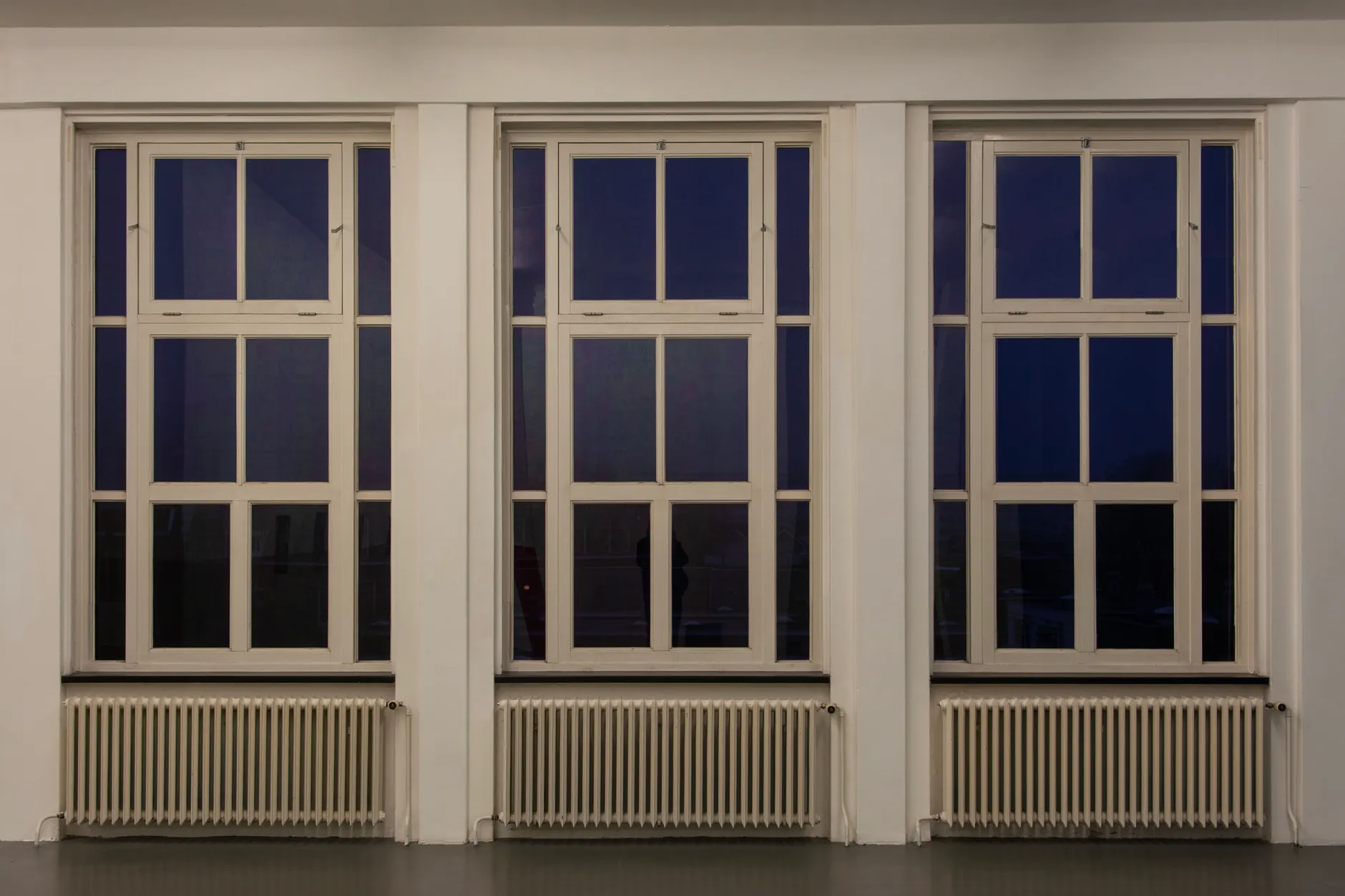
Wandsworth's housing makes radiators more interesting than they sound. Putney Hill and West Putney have Victorian and Edwardian villas, where cast-iron and column radiators sit under tall windows and the pipework runs under original floorboards. The Grid at Southfields and the terraces off Earlsfield's Garratt Lane have smaller rooms, and many are now converted flats where radiator sizing and pipe routes were altered by past owners.
Published prices to replace a radiator in the UK run from roughly £110 to £350 each in 2026, depending on size, type and the work around it, and the partner company gives a written quote before starting. Simple jobs, such as swapping a thermostatic valve or changing a like-for-like panel radiator, cost less than moving a radiator to a new wall.
Because a radiator is part of the whole circuit, the partner company will usually isolate it, drain only that section of the system, and refill with inhibitor, which protects against corrosion in hard-water areas like Wandsworth. If a radiator is leaking from the body rather than the valve, replacement is the repair.
Radiators are also where homeowners most often try a repair themselves, and where it most often goes wrong. Bleeding is safe, but undoing a valve nut on a full radiator releases a stream of dirty water onto a carpet, and a shut-off valve that has not moved for years can snap the spindle. If in doubt, isolate the radiator, put towels down and ring for help.
What We Do
Radiator Jobs We Arrange
The jobs run from a single leaking valve to a whole new set of radiators for an extension or conversion.
Leaking Valves and Seized TRVs
A drip at the valve spindle or tail is often fixed by repacking or replacing the valve rather than the radiator. Thermostatic radiator valves can seize after years of disuse, leaving a radiator stuck on or off. The partner company isolates the radiator, drains it, fits a new valve, and refills the system with inhibitor, so the repair does not leave the circuit unprotected.
Replacing Old or Rusting Radiators
A radiator that weeps from the seams or has rusted through needs replacing, not patching. Like-for-like panel replacements are straightforward, and the partner can match sizes and pipe centres to avoid redoing pipework. For period homes, column and cast-iron styles are available, and heat output should be matched to the room rather than to the look of the radiator.
Adding or Moving Radiators
A new extension, loft conversion or reworked flat layout often needs extra radiators, which means new pipework and a check that the boiler can cope with the extra load. The partner company sizes each radiator to the room and calculates whether the system needs balancing. A written quote covers materials, labour and making good.
The Benefits
What Good Radiator Work Looks Like
Radiators are easy to fit badly, and the symptoms show months later.
Sized to the Room
A radiator that is too small never heats the room, and one that is too large wastes gas. The partner company calculates the output needed, rather than copying what was on the wall.
Protected Water
Draining a section of a system lets air and dirt in, so refilling with inhibitor matters. In hard-water Wandsworth, inhibitor and a magnetic filter protect the new radiator and the boiler.
Tidy Pipework
Pipes are routed neatly, lagged where they need it and supported properly, and the floor and decoration are made good where agreed in the quote.
Good to Know
Signs a Radiator Needs Repair or Replacing
A failing radiator usually shows itself in one of a few ways.
Repair or Replace?
These usually point to replacement of the whole radiator.
- Rust stains or weeping along the seams or bottom edge
- Pinhole leaks that return after being sealed
- Heavy internal corrosion shown by black, gritty water
- A radiator that is too small for the room after an extension
- Panels that are dented or distorted
Faults a New Valve Can Cure
These can often be fixed without replacing the radiator.
- A drip from the valve spindle or nut
- A thermostatic valve stuck open or closed
- A lockshield valve that cannot be adjusted
- Air that returns even after bleeding
- A valve that cannot be turned off to remove the radiator
Why Us
Radiator Work Across SW18, SW15 and SW19
Period villas and converted flats are both familiar ground.
Period Homes Understood
The partner companies we send are used to lifting Victorian floorboards, working around lath and plaster and matching radiator styles in character properties.
Flats and Conversions
In a converted flat the heating may be fed from a shared boiler or its own, and the pipes may run through neighbours' ceilings. The partner company establishes this first.
One Number, Written Quote
The partner quotes in writing and invoices directly, and we handle no payment. If the work is not right, ring us and we chase it.
Radiators belong to a bigger system, so see central heating repair for sludge and balancing, boiler servicing for protection and boiler installation & replacement if the boiler is the real issue. Leaking pipework lives under leak detection & repair. We cover Putney, Southfields and Earlsfield, and the full list of services is online.
What Is a Radiator Installation?
A radiator installation is the fitting of a new radiator to a heating circuit, either replacing an old one or adding one to a room. It includes choosing a radiator with the right heat output for the room, fitting wall brackets that carry its weight, connecting it to the flow and return pipes with a thermostatic valve and a lockshield valve, and bleeding and balancing it.
Output is measured in watts or BTU and depends on the room's size, insulation, glazing and use. Part L of the Building Regulations expects room-by-room temperature control in new heating work, which is why thermostatic radiator valves are standard. After installation the circuit is refilled with inhibitor to protect it from corrosion.
What Affects the Price of Radiator Work
Radiator Type and Size
Published UK guides put replacing a radiator at roughly £110 to £350 each. A standard panel radiator costs less than a column or cast-iron one, and a larger radiator costs more to buy, to fit and to carry up the stairs.
Pipework and Making Good
A like-for-like swap uses the existing pipes, while moving a radiator or adding one needs new pipework and often floor or plaster repairs. The partner company's written quote separates the radiator, the labour and the making good.
Frequently Asked Questions
How much does it cost to replace a radiator in Wandsworth?
Published UK guides in 2026 put replacing a radiator at roughly £110 to £350 each, depending on size, type and whether pipework changes. A like-for-like panel swap sits at the lower end, while a large column or designer radiator and any pipework alterations cost more. The partner company gives a written quote before starting, so you know the cost of the whole job.
My radiator is leaking from the valve. Can it be fixed without replacing the radiator?
Often yes. A leak at the valve spindle can sometimes be cured by tightening or repacking, and a failed valve can be replaced without touching the radiator body. A leak from the radiator itself, usually along a seam or from rust, means the radiator needs replacing. The partner company isolates it, drains that section of the system, and refills with inhibitor afterwards.
What is a thermostatic radiator valve and do I need one?
A thermostatic radiator valve, or TRV, senses room temperature and throttles the flow to hold it, which saves gas and prevents overheating. Building Regulations Part L expects room-by-room control in new heating installations, and TRVs are a common way to provide it. A room that holds the main room thermostat is usually left without one.
Why is only one radiator cold?
Typical reasons are trapped air, a stuck valve, a blocked section of pipe, or sludge inside that radiator. Bleeding it is the first check, and if that does nothing, the partner company can check the valve and flush the radiator. If several radiators are cold at the bottom, it points to a wider sludge problem. See central heating repair for the whole-system view.
Can radiators be moved or added?
Yes, but it involves new pipework and, if the new radiator adds significant load, a check that the boiler can handle it. The partner company sizes the radiator to the room, routes the pipes and balances the system afterwards. In period homes, lifting floorboards and routing around old joists are part of the job, and the quote should reflect that work.
Do I need to drain the whole system to change a radiator?
Not always. Many installers fit isolation valves so a radiator can be removed with little water loss, and in a sealed system the pressure can be held and the system topped up. In older systems, draining the whole circuit may be easier. Whatever the method, inhibitor should go back in so that the new radiator is protected.
What size radiator do I need?
The radiator's output is sized to the room's heat loss, which depends on its floor area, ceiling height, windows, wall construction and use. A rule of thumb is not good enough in older homes with high ceilings and solid walls, such as Putney Hill villas. The partner company calculates the output needed, and a radiator that is too small will never warm the room.
Can I fit a cast-iron or column radiator in a modern system?
Yes, and they suit period properties well, but they are heavy and hold a lot of water, so floors, wall fixings and the boiler's capacity need checking. They also warm slowly and release heat for longer, which suits some households and not others. The partner company can advise whether the system is suited to them.
How long does a radiator replacement take?
A like-for-like radiator swap is usually under two hours, while adding a radiator or moving one can take half a day or more. Time depends on access, pipework and whether the system has isolation valves. The partner company estimates time in the quote, and any making good to plaster or floors adds to it. If the job involves lifting floorboards in an older house, allow extra time for that.
Do you do emergency radiator repairs?
Yes. A radiator leaking through a ceiling or a valve spraying water is a plumbing emergency, and the line is open at all hours. The partner company isolates the leak, makes it safe and quotes for the permanent repair. For a leak into a flat below, tell the managing agent promptly. See emergency plumbing for the wider picture.
Can a radiator be too hot to touch safely?
Yes. Standard radiators can reach temperatures that scald with prolonged contact, which matters for young children and elderly people. Low-surface-temperature covers or radiators are available, and a thermostatic valve can limit the temperature. Ask the partner company about options if you have vulnerable residents, particularly in bedrooms and bathrooms where people may be less steady on their feet.
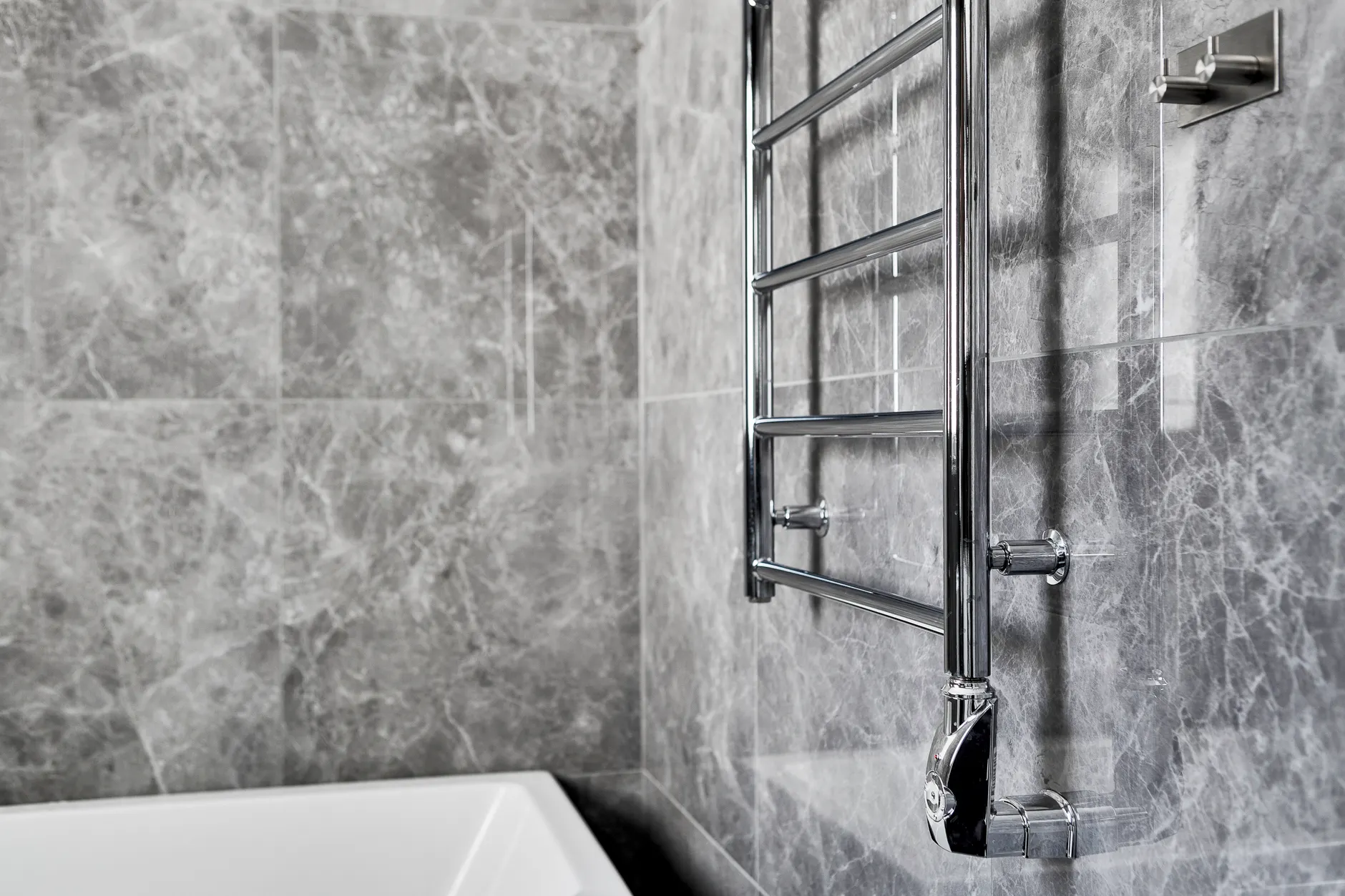
Can a towel rail be added to the heating circuit?
Usually yes, if the heating system has capacity, and bathrooms are a common place for them. A heated towel rail can be connected to the main circuit or run electrically. The partner company checks the output required, the pipe route and whether the rail needs its own valve and thermostat, and quotes for the whole installation in writing.