Emergency Plumbing & Boiler Repair · Wandsworth, London
Hot Water Cylinder Repair in Wandsworth, London
When the hot water tank fails, the whole house notices: the shower runs lukewarm, a damp patch appears under the airing cupboard, or a pipe outside starts dripping hot water into the garden. [24HR Boiler Repair & Plumber](/) answers on 07727 932887 at all hours and arranges hot water cylinder repair and replacement through independently owned partner companies across Wandsworth, Putney, Southfields and Earlsfield.
Cylinders come in two families. A vented cylinder is fed from a tank in the loft and works at low pressure, while an unvented cylinder is fed directly from the mains and delivers strong flow to taps and showers. Unvented cylinders hold hot water under pressure, so they are installed to Building Regulations Part G3 with safety devices including a temperature relief valve, an expansion vessel and a discharge pipe.
Hard water is hard on both types. Wandsworth's Thames Water supply is hard, at about 257 mg/l of calcium carbonate, and scale builds up on immersion heater elements and inside coils, cutting efficiency and eventually burning elements out. Putney villas and converted Victorian flats often have older copper cylinders, and a pinhole leak in a cylinder wall means replacement, not repair.
Published UK prices for supplying and fitting an unvented cylinder run from roughly £900 to £3,500 in 2026, depending on size and the work around it. The partner company diagnoses the fault and gives a written quote before any work begins.
Cylinders are also easy to ignore until they go wrong, because they sit in an airing cupboard behind a door. A look once a year is worth the effort: check for damp on the floor beneath, listen for dripping from the discharge pipe, and make sure the immersion heater and thermostat are working. A small drip noticed early costs far less than the ceiling below it.
What We Do
Cylinder Faults We Arrange Repairs For
Most hot water complaints are the heater, the controls or a leak, and the diagnosis tells you which.
Lukewarm Water and Failed Immersion Heaters
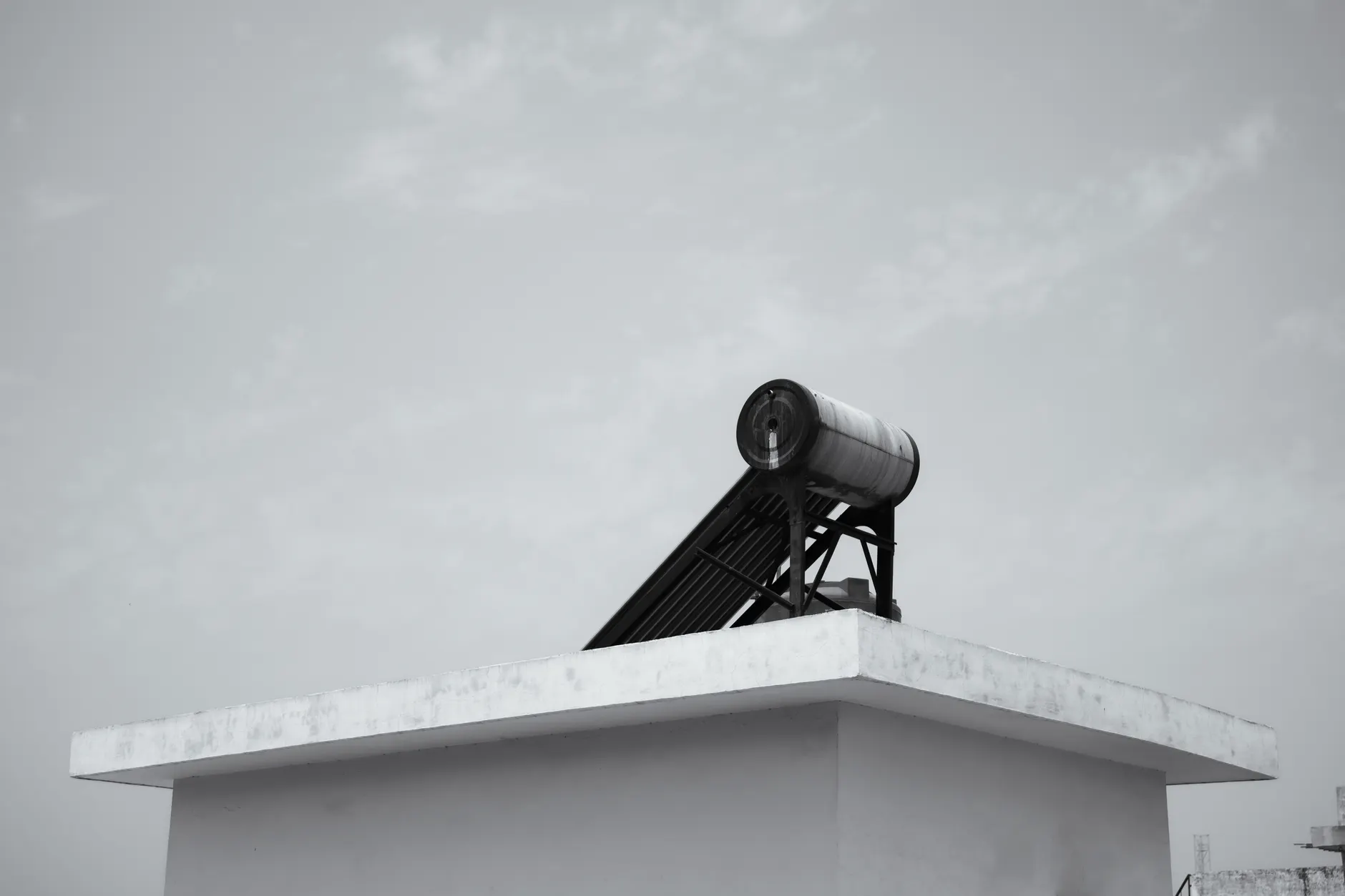
If the cylinder is lukewarm, the first suspects are a burnt-out immersion heater element, a failed thermostat or a faulty motorised valve. In a hard-water area, scale insulates the element until it overheats, so replacement is routine. The partner company tests each part, replaces what has failed and checks the thermostat settings so the water is stored hot enough to be safe.
Leaking Cylinders and Dripping Discharge Pipes
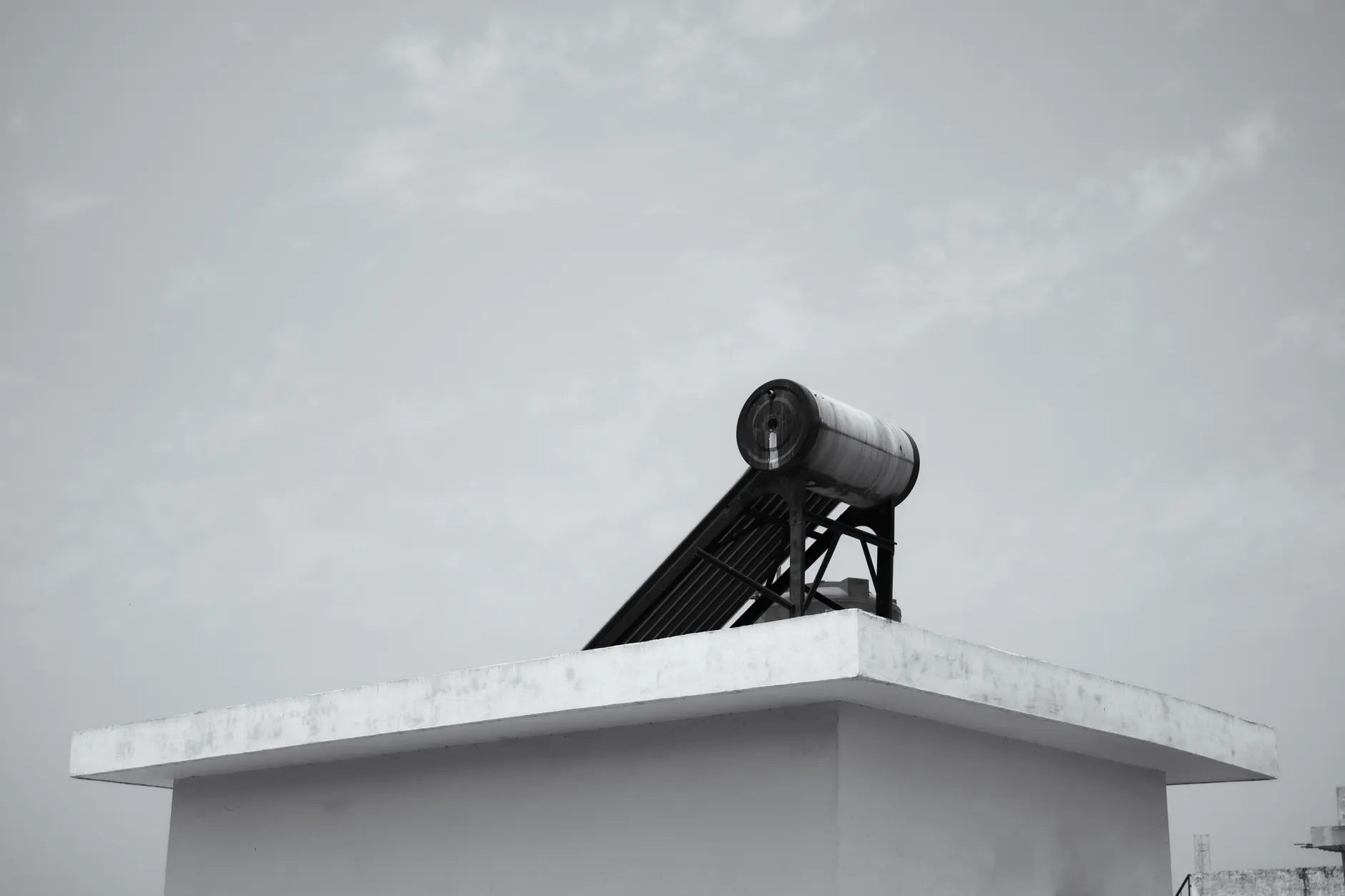
A cylinder that weeps from its body cannot be repaired and needs replacing. A dripping discharge pipe on an unvented system, by contrast, often points to a failed expansion vessel or a faulty pressure relief valve. Either way, ignoring it risks water damage, and on an unvented cylinder a discharge that runs constantly should be looked at promptly.
Replacing Old Copper and Moving to Unvented
Replacing a vented cylinder like for like is the cheaper option, while switching to unvented gives mains-pressure hot water, no loft tank and often a better shower. The partner company checks that the mains supply can deliver enough flow, and installs the unvented cylinder to Part G3. For flats with limited space, slimline or smaller cylinders are available.
The Benefits
Doing a Cylinder Job Safely
Stored hot water is under pressure or at high temperature, and the safety details matter.
Safety Devices Fitted and Tested
An unvented cylinder needs a temperature and pressure relief valve, an expansion vessel and a discharge pipe routed to a safe visible point. The partner company fits and tests these as Part G3 requires.
Stored Hot Enough
Water in a cylinder should be stored hot enough to prevent bacterial growth, then mixed down at the tap. The partner sets the thermostat sensibly and explains the setting.
Scale Managed
In Wandsworth's hard water, scale is a fact of life. A scale inhibitor or softener and an annual check extend the life of the cylinder and heater.
Good to Know
Signs of a Failing Cylinder
Cylinders give warnings before they fail.
Warning Signs on the Cylinder
Any of these deserve a prompt look.
- Damp, drips or staining on or below the cylinder
- Hot water that runs out quickly or never gets properly hot
- Knocking or banging noises from the cylinder or pipework
- Water continually dripping from an unvented cylinder's discharge pipe
- Rust-coloured or cloudy hot water
Vented or Unvented?
A quick way to tell what you have.
- A cold water tank in the loft usually means a vented cylinder
- A mains-fed cylinder with no loft tank and a discharge pipe is unvented
- A tundish, a pipe with a visible funnel, is a sign of an unvented system
- An expansion vessel on or beside the cylinder is typical of unvented
- A brand name plate on the cylinder usually states its type and capacity
Why Us
Cylinder Work Across SW18, SW15 and SW19
From airing-cupboard tanks to mains-pressure systems.
Older Airing Cupboards
The Victorian and Edwardian homes around Putney Hill and Earlsfield often have cylinders in tight cupboards, with pipes that have been altered several times. The partner company is used to this.
Flats and Conversions
In converted flats, space and ventilation for a cylinder can be tight, and unvented systems have specific discharge rules. The partner company checks this before quoting.
Written Quote, One Number
The partner quotes in writing, invoices and takes payment directly, and we handle no money. If something goes wrong, call us and we chase it.
Cylinder and boiler faults often overlap, so see emergency boiler repair and boiler installation & replacement if a new boiler is on the cards. Leaks from cylinder pipework link to leak detection & repair and emergency plumbing. We cover Putney, Southfields and Earlsfield. All services are listed online.
What Is a Hot Water Cylinder?
A hot water cylinder is an insulated tank, usually copper or stainless steel, that stores water heated by a boiler coil, an immersion heater or both, so that hot water is available on demand to several taps at once. It is found in homes with regular or system boilers, while combi boilers heat water directly and need no cylinder.
Vented cylinders are fed by gravity from a cold tank in the loft, while unvented cylinders are fed from the mains and store water under pressure. Because unvented cylinders can release a lot of energy if a safety device fails, they must be installed to Building Regulations Part G3 with a temperature relief valve, a pressure relief valve and a safely routed discharge pipe.
What Affects the Price of a Cylinder Job
Repair or Replacement
Replacing an immersion heater or thermostat is a modest job, while replacing a cylinder is a bigger one. Published UK guides put supplying and fitting an unvented cylinder at roughly £900 to £3,500, depending on size and the work around it.
Vented, Unvented and Pipework
Switching from a vented to an unvented cylinder means new pipework, safety devices and a discharge route, which adds cost but gives mains-pressure hot water. The written quote shows each item so you can compare options.
Frequently Asked Questions
Why is my hot water only lukewarm?
Common causes are a failed immersion heater element, a faulty thermostat, a stuck motorised valve or scale insulating the heater. A boiler heating the cylinder through a coil can also be at fault, so the partner company checks both sources of heat. In a hard-water area such as Wandsworth, scaled elements are a frequent reason, and replacing them is a routine repair.
What is the difference between a vented and an unvented cylinder?
A vented cylinder is fed from a cold water tank in the loft and operates at low pressure, which gives gentle flow at the taps. An unvented cylinder is fed directly from the mains and stores water under pressure, giving strong flow, but it must be installed to Building Regulations Part G3 with specific safety devices. Which suits your home depends on your mains supply and your needs.
How much does a new cylinder cost?
Published UK guides in 2026 put supplying and fitting an unvented cylinder at roughly £900 to £3,500, depending on size, brand and the work around it, while a vented cylinder replacement tends to cost less. The partner company surveys, advises and gives a written quote covering the cylinder, safety devices, pipework changes and making good, so you see the price before the work starts. Ask for the quote to show the cylinder size and make separately from the labour, so that you can compare it with other quotes like for like.
My cylinder's discharge pipe keeps dripping. Is that serious?
It can be. On an unvented system the discharge pipe carries away water if pressure or temperature goes too high, so a constant drip suggests a failed expansion vessel, a faulty pressure relief valve or a pressure problem. It should be looked at promptly. If hot water is pouring out, turn off the heating and immersion heater, and call 07727 932887.
Can a leaking cylinder be repaired?
Generally not. A leak from the body of a copper cylinder, usually from corrosion or a pinhole, means the cylinder has reached the end of its life and needs replacing. A leak from a connection or an immersion heater flange can often be fixed, so the partner company finds the source first. If water is escaping, isolate the supply and switch off the heating.
Do unvented cylinders need servicing?
Yes. Manufacturers require an annual check of the safety devices, expansion vessel pressure and discharge arrangements, and keeping the record is often a warranty condition. Because an unvented cylinder holds water under pressure and heat, the checks matter. The partner company can quote for an annual visit alongside your boiler service. Skipping the check can invalidate the warranty and leave a worn safety device unnoticed.
Will my mains pressure support an unvented cylinder?
It needs adequate pressure and flow, and a quick test at the incoming mains tells you. Many Wandsworth homes have decent supply, but homes at the top of tall buildings or on shared supplies may not. If the mains is weak, the partner company will say so before selling you a system that will disappoint.
How long does a cylinder replacement take?
A like-for-like vented replacement can be done in a day, and an unvented replacement or conversion usually takes one to two days, depending on pipework changes and the safety work. You are without hot water in the meantime, so the partner company plans the visit with you. The written quote sets out the timing. Ask whether a temporary immersion heater or kettle workaround is needed in the meantime.
How does hard water affect a cylinder?
Scale coats immersion heater elements and coils, so the heater works harder and wears out sooner, and in extreme cases it blocks pipework. Wandsworth water is classed hard at about 257 mg/l of calcium carbonate. A scale inhibitor, an occasional descale and sensible temperature settings help, and an annual check will show how heavy the scale is.
Can I use an immersion heater while the boiler is broken?
If the cylinder has an immersion heater, it can give you hot water while the boiler is out of action, which is a useful stopgap. It costs more to run than gas, so use it sparingly and switch it off when the boiler is fixed. If the immersion heater itself is faulty, the partner company can replace it quickly. See emergency boiler repair for the boiler side.
Is it safe to keep using hot water if the cylinder is dripping?
If the drip is slow and the water is only warm, you can usually keep using the system while you arrange a visit, but if hot water is pouring from a discharge pipe, switch off the boiler and immersion heater and call us immediately. A hot discharge can mean a safety device is operating, which should never be ignored. The partner company will diagnose the cause.
How can I tell how old my cylinder is?
Look for a manufacturer's label on the cylinder or its insulation, which usually shows the make, model and date. Many copper cylinders last twenty years or more, while unvented ones typically have a manufacturer's warranty of several years. If there is no label, the partner company can estimate its age from the style and fittings, and advise whether replacement is sensible.