Emergency Plumbing & Boiler Repair · Wandsworth, London
Central Heating Repair in Wandsworth, London
A heating system that works badly is more annoying than one that fails outright: the radiators in the back bedroom never get warm, the pump hums, and the boiler cycles on and off all evening. [24HR Boiler Repair & Plumber](/) answers on 07727 932887 day and night and sends an independently owned partner company that diagnoses the whole circuit, not only the boiler.
In Wandsworth the usual culprit is dirty water. Thames Water supply is hard, at about 257 mg/l of calcium carbonate, and the Victorian and Edwardian terraces of Earlsfield and the Southfields Grid often have steel radiators and pipework that are more than a generation old. Over the years corrosion forms black magnetite sludge that collects at the bottom of radiators and clogs pumps, valves and the boiler's heat exchanger.
The repair depends on the diagnosis. A single cold radiator may be a stuck valve or trapped air, while radiators that are cold at the bottom and hot at the top point to sludge. A whole system that is slow to warm may need balancing, a new pump, or a cleanse to BS 7593 and a magnetic filter. The partner company tells you which and quotes in writing before any work starts.
Many older homes in this area were built with gravity-fed systems and later converted to sealed circuits, so pipework can be a mix of eras and materials. That makes careful isolation and testing important before any repair, so the fix does not move the problem elsewhere in the system.
Heating faults also cost money quietly. A system choked with sludge makes the boiler work harder for the same warmth, a stuck zone valve keeps heating a room nobody uses, and radiators that are unbalanced overheat one room and leave another cold. Fixing them often cuts the gas bill as well as the discomfort, which makes a diagnosis worth having even when the heating technically still works.
What We Do
Heating Problems We Diagnose and Fix
Most heating complaints belong to one of three families: the water is dirty, the system is out of balance, or a component has failed.
Cold Radiators and Sludged Circuits
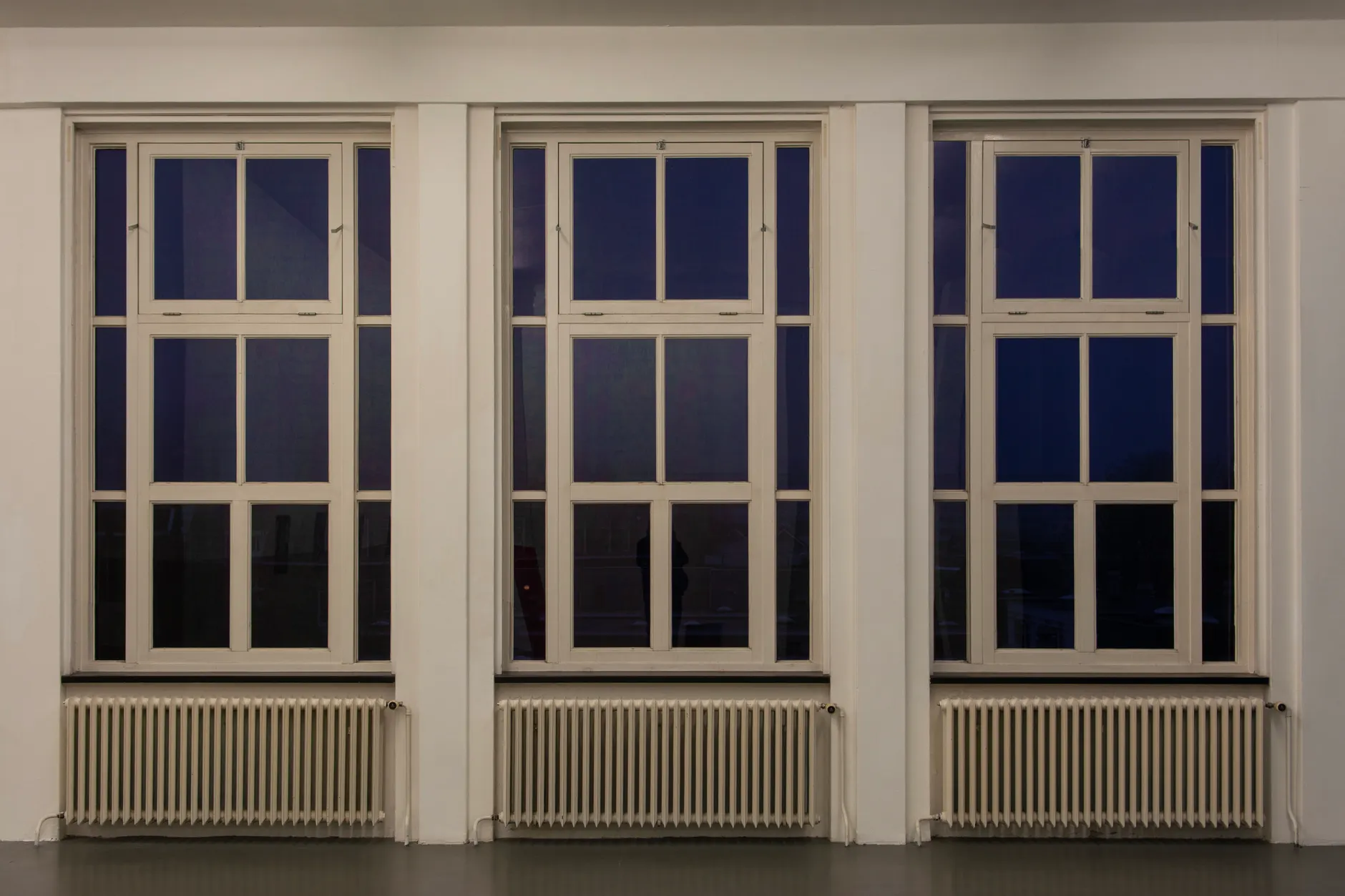
Radiators that are cold at the bottom, brown water on bleeding and a boiler that cycles are classic signs of sludge. The partner company cleanses the circuit to BS 7593, either by chemical flush or machine powerflush, then fits a magnetic filter and adds inhibitor. In hard-water areas scale is often part of the picture too, so the filter is worth having.
Pumps, Valves and Motorised Controls
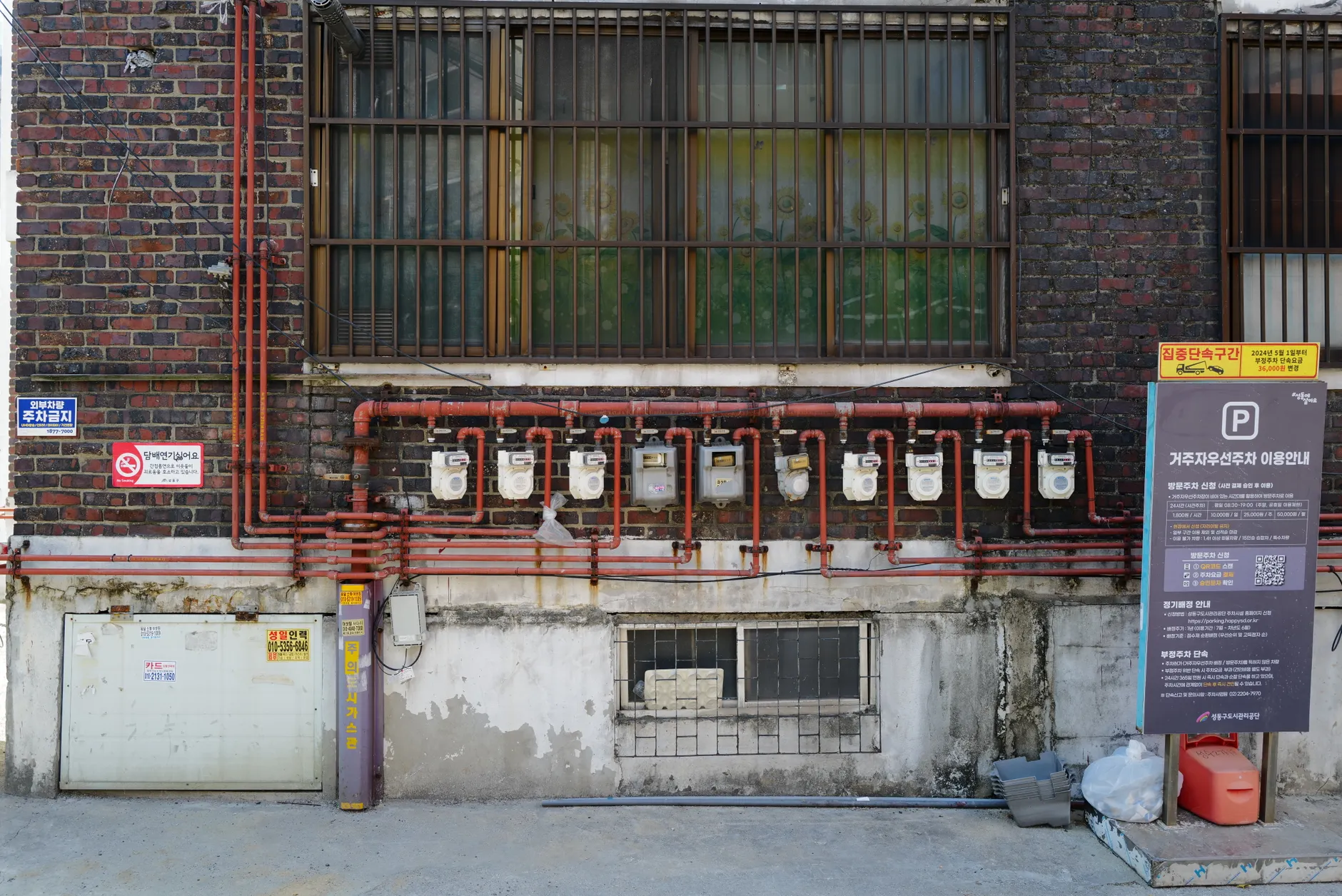
A humming or seized pump, a motorised valve stuck half open or a faulty zone valve causes heating that will not respond to the thermostat. Pump replacement is published at roughly £150 to £280 in London. The partner company tests each component before replacing it, so you are not paying for parts that were working.
Balancing, Thermostats and Controls
Radiators nearest the boiler scorching while the far bedroom stays cold usually means the system is out of balance. Balancing adjusts the lockshield valves so each radiator gets its share, and thermostatic radiator valves and a programmable thermostat help control temperature room by room. These are cheap changes that make a lasting difference.
The Benefits
What a Heating Repair Should Leave You With
A good repair fixes the fault and stops it returning.
A Clear Diagnosis
You are told whether the fault is air, sludge, a failed part or balance, with a written quote for the fix before any work begins.
Protection Against a Repeat
A magnetic filter, inhibitor and a note on servicing stop the same fault recurring. In dirty or hard-water systems this is the real value of the visit.
A Warmer, Cheaper Home
A balanced, clean system heats faster and wastes less gas, and the boiler works within its design rather than fighting a blocked circuit.
Good to Know
Signs Your Heating System Is Struggling
A system rarely fails without warning signs.
Symptoms of a Dirty or Unbalanced Circuit
These point to sludge, scale or poor balance.
- Radiators cold at the bottom, hot at the top, or cold in the middle
- Brown or black water when a radiator is bled
- Boiler noises such as banging, whistling or kettling
- Some rooms overheating while others never warm up
- Radiators slow to heat even though the boiler is firing
Quick Checks Before You Call
These cost nothing and help the engineer.
- Boiler pressure on the gauge, between about 1 and 1.5 bar when cold
- Whether the thermostat and timer are set correctly
- Whether all radiators or only some are cold
- Whether the pump can be heard running
- Any radiator valves that feel stiff or are stuck closed
Why Us
Heating Repairs Across SW18, SW15 and SW19
The same line covers every patch.
Older Pipework Understood
The partner companies we send work in Victorian and Edwardian homes weekly, where pipes run through floors and walls that have been altered several times.
Boiler and Circuit Together
A heating call is rarely only the boiler. The partner can look at the pump, valves, radiators and controls in one visit, avoiding a second call-out.
One Number, Written Price
The partner company quotes in writing, invoices and takes payment directly. If the problem returns, ring us and we chase it.
Heating faults often start at the boiler, so see emergency boiler repair and boiler servicing. Radiator-specific jobs live under radiator repair & installation, and a failed system can lead to boiler installation & replacement. We work across Putney, Southfields and Earlsfield, and every other job is in our services list.
What Is Central Heating Repair?
Central heating repair is the diagnosis and correction of faults in the parts of a heating system that move heat around a home: the pump, the motorised and zone valves, the radiators and their valves, the pipework, the controls and the water inside the circuit. It is distinct from boiler repair, which deals with the appliance that makes the heat.
A sealed system holds water under modest pressure and relies on an expansion vessel, a filling loop and a pressure relief valve, while older open-vented systems use a header tank in the loft. Treating the water to BS 7593, with a magnetic filter and inhibitor, is the standard way to protect a circuit from corrosion, sludge and scale.
What Affects the Price of a Heating Repair
Part or Process
A pump replacement is published at roughly £150 to £280 in London, while a cleanse of a whole system takes longer and costs more, though it protects a boiler worth thousands. A bleed or a valve is cheaper. The partner company diagnoses first and quotes in writing.
Size of the System
More radiators mean more time to flush and balance. A one-bedroom flat is a quicker job than a Putney villa with fifteen radiators, and the written quote should say how many radiators it covers.
Frequently Asked Questions
Why are my radiators cold at the bottom but hot at the top?
That pattern usually means sludge has settled at the base of the radiator and is blocking the flow. It is common in older steel radiators and systems without a magnetic filter, and hard water in areas like Wandsworth adds scale to the mix. The usual fix is a cleanse of the system to BS 7593, followed by a magnetic filter and inhibitor to protect the circuit.
Why is my heating slow to warm up?
Possible causes include a sludged circuit, a failing pump, a stuck motorised valve, trapped air or a system that is out of balance. The partner company works through these in order of likelihood rather than guessing. A diagnosis at the first visit saves paying for parts you did not need, and the written quote sets out what is proposed.
How much does a heating repair cost?
It depends on the fault. Published London prices put a pump replacement at roughly £150 to £280 and a circuit board repair higher, while a bleed or a valve replacement is much cheaper. A full system cleanse costs more but protects a boiler worth thousands. The partner company quotes in writing after diagnosing, so you agree the price before the work starts.
What is the difference between a chemical flush and a powerflush?
A chemical flush circulates cleansing chemicals through the system with the boiler pump, while a powerflush uses a machine to drive water through at high flow to shift stubborn sludge. Both finish with inhibitor to protect the system. Which is appropriate depends on how dirty the circuit is, and the partner company recommends one after looking at the system, following BS 7593.
Do I need a magnetic filter?
On almost any system with steel radiators, yes, because it catches the magnetic sludge before it reaches the boiler and pump. Many boiler manufacturers expect one on a new installation and some warranties require it. It needs emptying at the annual service, so ask the engineer to show you how it works and where the sludge is going.
My boiler is fine but only some radiators work. What is wrong?
If the boiler fires and some radiators heat, the problem is in the distribution: a stuck radiator valve, trapped air, sludge, a failed zone valve or an unbalanced system. Bleeding radiators and checking the TRVs are the quickest first steps. If those do not help, the partner company can balance the system or find the blocked section.
How do I bleed a radiator properly?
With the heating off and the radiator cool, use a radiator key to open the bleed valve at the top slowly until air hisses out and water appears, then close it. Check the boiler pressure afterwards and top it up to about 1 to 1.5 bar if needed. If a radiator needs bleeding every week, there is an underlying fault and it needs diagnosing.
Can older gravity-fed systems be repaired or do they need replacing?
Many can be repaired, but older systems with gravity hot water, open vented tanks in the loft and mixed pipework often benefit from modernisation. It depends on the condition of the pipes and whether you want to move to a sealed system. The partner company assesses and quotes both options so you can choose without being pressured.
Why does my pump make a noise?
Humming or grinding from a pump usually means air, sludge or a failing bearing. Bleeding air helps if it is trapped, but a seized or worn pump needs replacing, which is published at roughly £150 to £280 in London. Running the pump dry or against a blocked circuit shortens its life, so address dirt in the system at the same time.
Do you cover the whole of Wandsworth?
Yes. The service area covers Wandsworth Town, Putney, Southfields and Earlsfield, across SW18, SW15 and the Southfields edge of SW19. The partner company we send is the one closest to you that is suited to the job. For emergencies there is the 24-hour line, and for planned work we can usually offer a visit within a few days.
Does a magnetic filter need emptying?
Yes. A magnetic filter collects the black sludge that circulates in a heating system, and it works best when it is cleaned, usually at the annual boiler service. A full filter stops catching new sludge. The partner company can show you how the filter opens, and in many systems it can be cleaned in minutes without draining the circuit.
Why do radiators need balancing after some repairs?
When a pump, valve or radiator is replaced, flow through the system changes, and some radiators can end up hotter or colder than others. Balancing adjusts the lockshield valves so each radiator receives the right share of hot water. It is a short job when done properly, and it makes the whole house heat more evenly and the boiler run more efficiently.